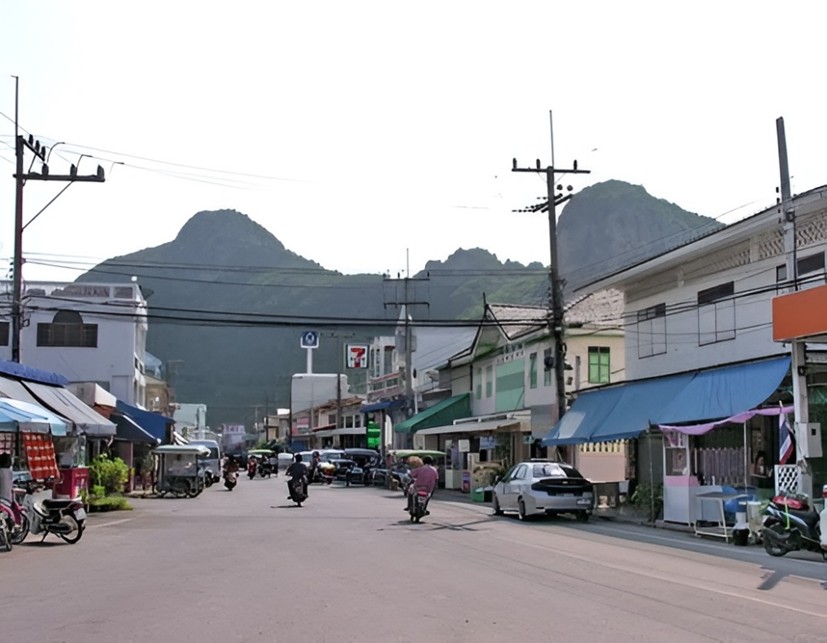
· สถานที่ท่องเที่ยวในคลองวาฬและใกล้เคียง
(Tourists attractions in Klongwan)
ชุมชนคลองวาฬ
ประวัติศาสตร์ความเป็นมา
ชุมชนคลองวาฬ ตั้งอยู่ในตำบลคลองวาฬ อำเภอเมือง จังหวัดประจวบคีรีขันธ์ เป็น ชุมชนชายฝั่งทะเลเก่าแก่ที่มีมาตั้งแต่ สมัยรัชกาลที่ 5 เดิมเป็นแหล่งจับปลาของชาวประมง พื้นบ้าน และเป็นจุดแวะพัก ของเรือสินค้าที่เดินทางผ่านอ่าวไทย
ชุมชนคลองวาฬเป็นชุมชนดั้งเดิมที่ปรากฏชื่อมาตั้งแต่สมัยอยุธยา ในอดีตเป็นเมือง หน้าด่านที่สำคัญแห่งหนึ่งในบรรดาหัวเมืองปักษ์ใต้ต่อมาในสมัยรัชกาลที่ 4 ได้ถูกรวมเข้ากับ เมืองกุยบุรีและบางนางรม กลายเป็นเมืองประจวบคีรีขันธ์ และคลองวาฬก็ลดฐานะลงเป็น เพียงตำบลหนึ่ง ชุมชนแห่งนี้ยังคงรักษาสถาปัตยกรรมเรือนไม้แบบดั้งเดิมไว้ และมี วัดคลองวาฬเป็นศาสนสถานสำคัญ ชื่อ "คลองวาฬ" มาจากการที่ในอดีตมีปลาวาฬอพยพเข้ามาในอ่าว เป็นประจำ ปัจจุบันยังพบการอพยพของวาพบรูด้าในบางฤดูกาล
ภูมิศาสตร์
คลองวาฬตั้งอยู่ริมอ่าวไทย มีชายหาดและภูเขาล้อมรอบ เช่น เขาล้อมหมวก และพื้นที่ ป่าชายเลนที่อุดมสมบูรณ์ ลักษณะภูมิประเทศเป็นที่ราบริมฝั่งทะเล มีคลองหลายสายที่ไหลลง สู่อ่าวไทย เป็นพื้นที่ที่มีความหลากหลายทางระบบนิเวศสูง
ประชากรและอาชีพของชาวคลองวาฬ
ชุมชนคลองวาฬมีประชากรประมาณ 4,000-5,000 คน ส่วนใหญ่เป็นชาวไทยเชื้อสาย จีนมอญ และไทยพื้นถิ่นที่อาศัยอยู่สืบทอดกันมาหลายชั่วอายุคน โครงสร้างประชากรมีทั้ง วัยแรงงาน ผู้สูงอายุ และเยาวชน โดยครอบครัวส่วนใหญ่อยู่อาศัยกันเป็นครอบครัวใหญ่หรือ ครอบครัวขยาย
อาชีพหลักของชาวคลองวาฬ คือ การทำประมงพื้นบ้าน ซึ่งเป็นอาชีพดั้งเดิมของชุมชน มีทั้งการจับปลา กุ้ง ปู และหมึกในน่านน้ำใกล้ชายฝั่ง นอกจากนี้ยังมีอาชีพเกษตรกรรม เช่น การทำสวนมะพร้าว สับปะรด และการเลี้ยงสัตว์ รวมถึง การค้าขาย และธุรกิจบริการด้านการท่องเที่ยว ที่เติบโตขึ้นตามจำนวนของนักท่องเที่ยวที่มาเยือนในช่วงฤดูกาลท่องเที่ยว
ภาษาและสำเนียง
ชาวคลองวาฬพูดภาษาไทยกลางเป็นหลัก แต่มีสำเนียงเหน่อแบบชาวเพชรบุรี หรือ ประจวบฯ และมีคำสร้อยอันเป็นเอกลักษณ์เฉพาะถิ่น เช่น มั่งดุ๊ หมายถึง ขอบ้างสิมะหร็อก หมายถึง ไม่ไป กินหมดเลี่ยม หมายถึง กินหมดแล้ว เป็นต้น คำสร้อยเหล่านี้ ยังพอมีการพูดอยู่บ้างในหมู่คนรุ่นเก่าและเสน่ห์ของการใช้ภาษาคือ คนคลองวาฬจะพูดสำเนียงคลองวาฬแม้กับนักท่องเที่ยวที่มาเยี่ยมเยือนดุจเป็นญาติมิตร ถือเป็นการสร้างความประทับใจแก่นักท่องเที่ยวอย่างหนึ่ง
วัฒนธรรม
ชุมชนคลองวาฬมีประเพณีที่ผสมผสานระหว่างไทย จีน และชาวทะเล เช่น ประเพณีลอยกระทง งานบุญสารทเดือนสิบ พิธีเซ่นไหว้เจ้าทะเล และมีวัดคลองวาฬ พระอารามหลวง เป็นศูนย์กลางศาสนาและกิจกรรมชุมชน นอกจากนี้ยังมีวิถีชีวิตเรียบง่ายแบบชาวประมงที่ยังคงอนุรักษ์ไว้ เช่น การจับปู การหาปลา และการจัดงานประเพณีชุมชนร่วมกัน
Klongwan Village
Historical Background
Klong Wan is an ancient community whose name appeared as early as the Ayutthaya period. Historically, it was a significant frontier town among the southern provinces. Later, during the reign of King Rama IV, it was merged with Kui Buri and Bang Nang Rom to form Prachuap Khiri Khan, and Klong Wan was downgraded to has preserved its traditional wooden house architecture, and Wat Klong Wan serves as an important religious site.
When dates back to the reign of King Rama 4. Originally, Klongwan was a fishing village and a resting point for trade ships passing through the Gulf of Thailand. The name "Khlong Wan" (literally "Whale Canal") derives from sightings of whales in the area in the past, and Bryde's whales can still be observed in the gulf seasonally.
Geography
Situated along the Gulf of Thailand, Khlong Wan features beaches, surrounding hills like Khao Lom Muak, and lush mangrove forests. The land is mostly flat coastal plains with several canals flowing into the sea. The region has a rich biodiversity and a uni que marine ecosystem.
Population and Occupations in Khlong Wan
The community is primarily composed of local fishermen, farmers, and small traders. Residents include long-established locals as well as migrants from central and southern Thailand. Some families descend from Mon and Chinese immigrants who settled in the area generations ago. Khlong Wan has a population of approximately 4,000-5,000 people. Most residents are of Thai, Chinese, and Mon descent, with many families having lived in the area for generations. The population includes working-age adults, elderly individuals, and children, with many households consisting of extended families. The primary occupation in Khlong Wan is traditional coastal fishing, which includes catching fish, shrimp, crabs, and squid in nearby waters. Other common livelihoods include agriculture, such as coconut and pineapple farming and livestock raising. Trade and small businesses are also important, along with a growing number of residents working in the tourism sector, which has expanded in response to increasing numbers of visitors during peak travel seasons.
Language and Dialect
The people of Khlong Wan primarily speak standard Thai but with a distinctiveregional accent similar to that of Phetchaburi or Prachuap Khiri Khan. They also use unique local particles and expressions, such as "mang doo" meaning "let me have some too" "bpai ma-rok" meaning "I'm not going." and "kin mod laim" meaning "I ate it all". These expressions are still occasionally spoken among the older generations. One of the community's most charming linguistic traits is that Khlong Wan residents speak in their local accent even with visiting tourists, as if speaking to long-time friends-something that often leaves a memorable impression on visitors.
Culture
Khlong Wan blends Thai, Chinese, and maritime traditions. The community celebrates Loy Krathong, the "Sart Duen Sib" merit-making festival, and traditional sea rituals honoring ocean spirits. Wat Khlong Wan, a royal temple, serves as a cultural and spiritual hub. Local life revolves around fishing and community events, preserving traditional practices such as crab-catching, net-fishing, and seasonal festivals.
 นโยบายการใช้คุกกี้ (Cookies Policy)